Alone in the desert – male Bronzed Cowbird

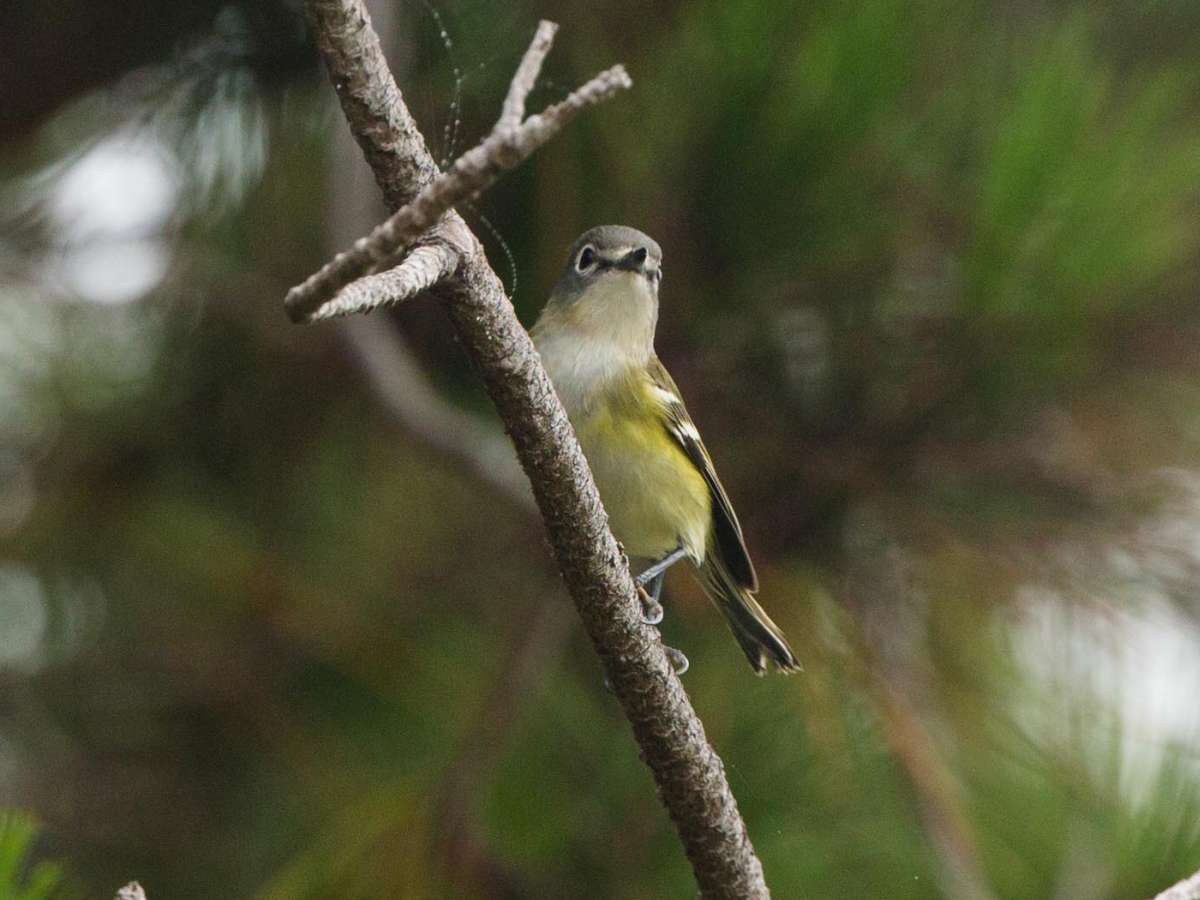
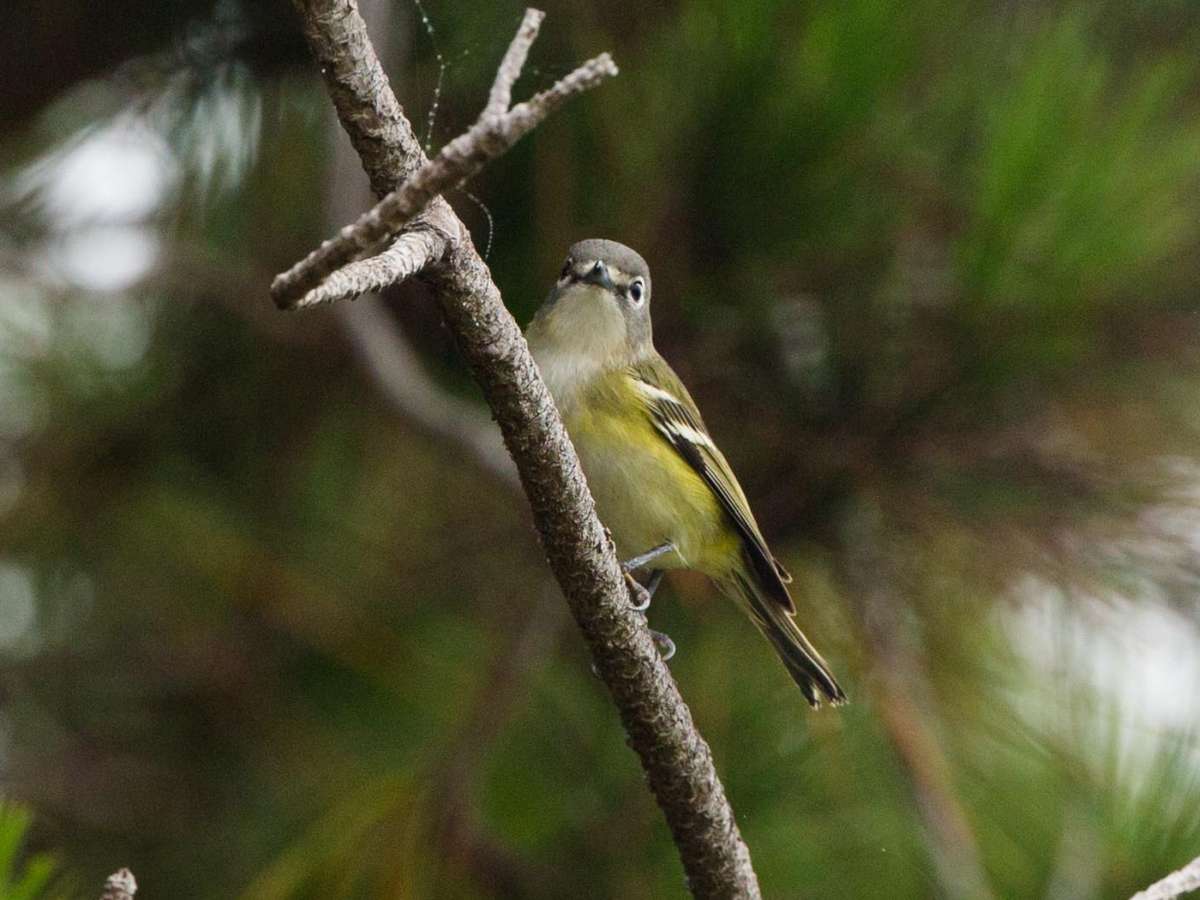
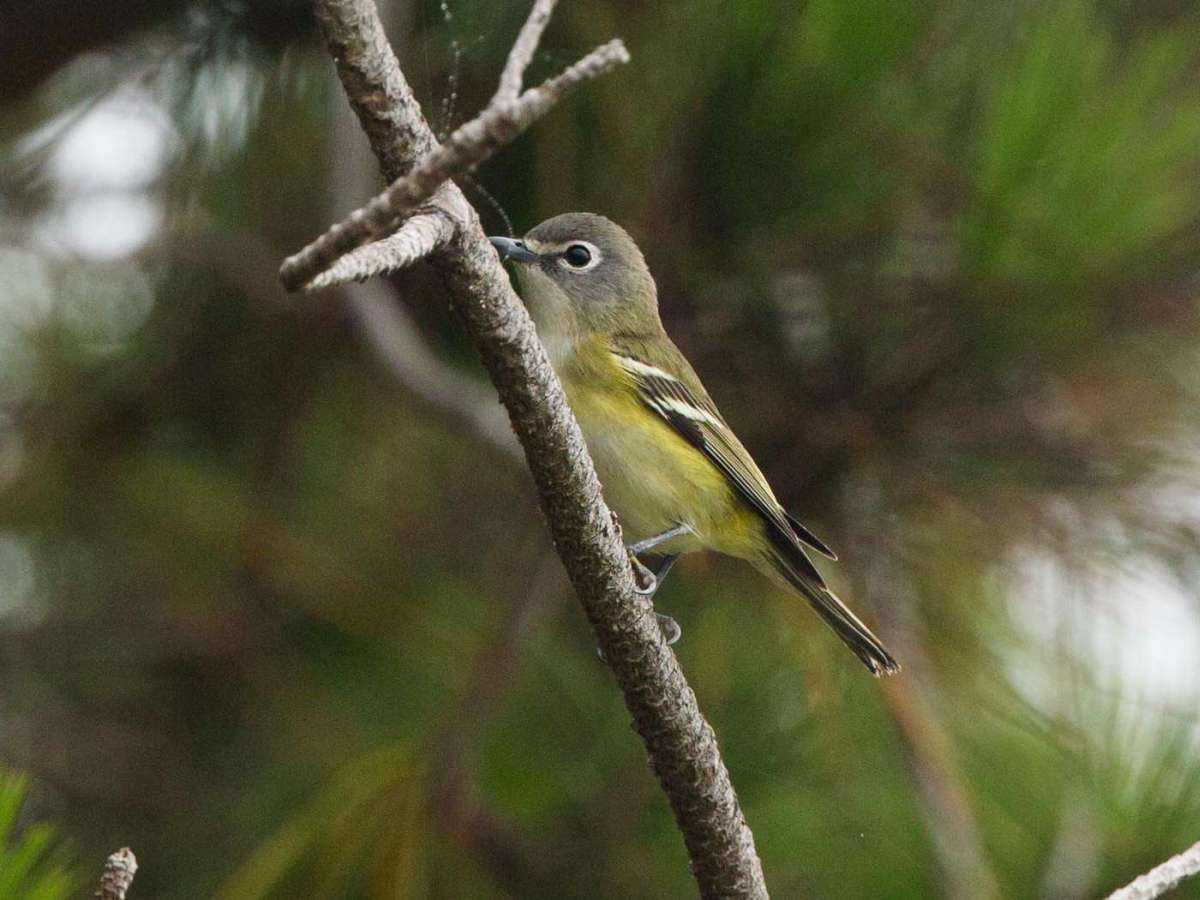
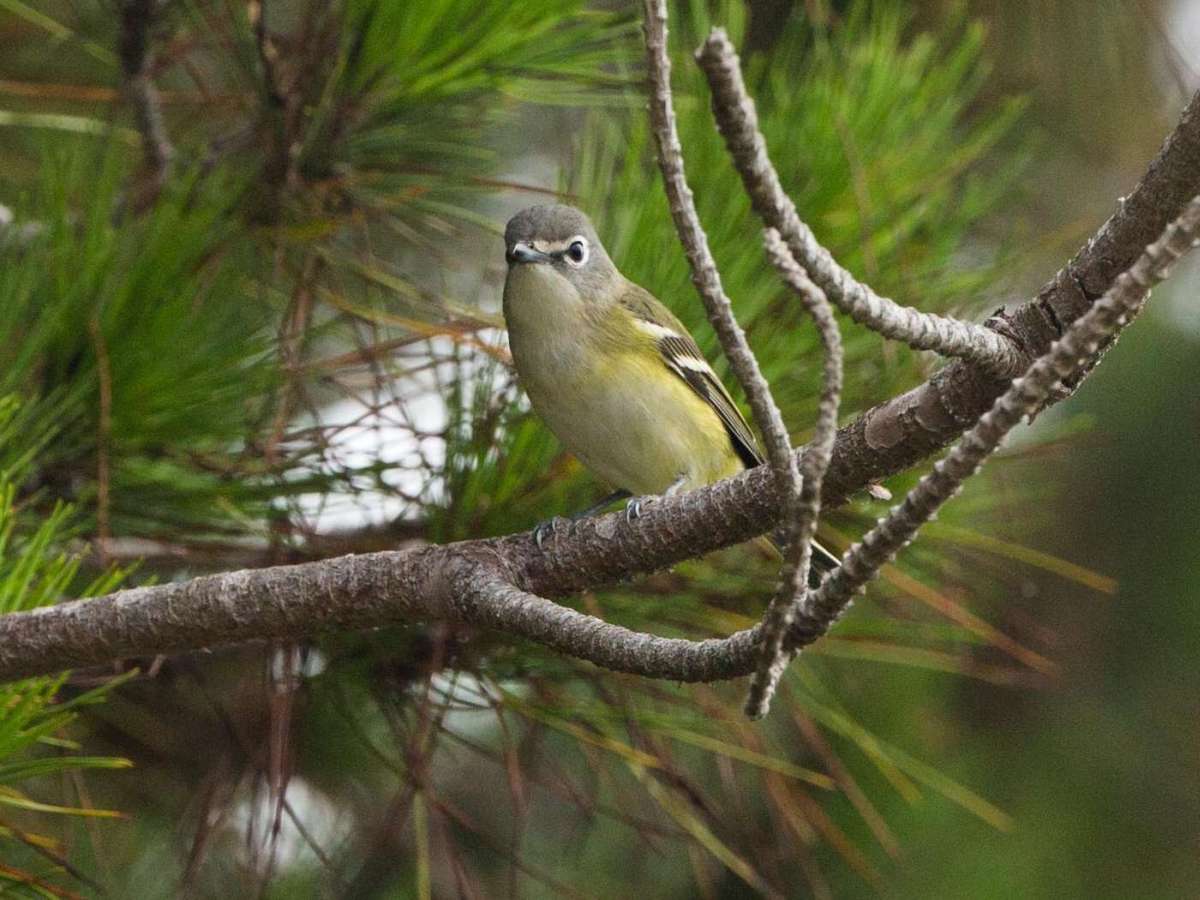
[All photographs copyright, Gary Nunn 2013] – This male Bronzed Cowbird Molothrus aeneus was discovered by Paul Lehman and Barbara Carlson at the RoadRunner Resort in Borrego Springs on 19 May 2013. Found during the heat of the day, it was seen actively displaying on the ground to other nearby species of Icteridae. A female Bronzed Cowbird was not seen at the time of discovery of this fine looking male, and one has not been seen subsequently. This would appear to be a lone extralimital male that has ventured some distance beyond the species localized distribution in the Imperial Valley, California and southern Arizona. This species can be shy and secretive, often slipping away unnoticed in well wooded yards and thick riparian areas. Finding a displaying male is the best opportunity to study this handsome looking icterid! I watched this male puffing itself up and vibrating its wings, as it followed after nearby birds. Perhaps the female Brown-headed Cowbird, the object of his affection, was not quite the match because when really excited males will also jump into the air fluttering down noisily.

Bronzed Cowbird male – Roadrunner Resort, Borrego Springs, California 21 May 2013

Bronzed Cowbird male – Roadrunner Resort, Borrego Springs, California 21 May 2013

Bronzed Cowbird male – Roadrunner Resort, Borrego Springs, California 21 May 2013

Bronzed Cowbird male – Roadrunner Resort, Borrego Springs, California 21 May 2013

Bronzed Cowbird is very rare in San Diego County with few recent records, the last in 2007 and also found in Borrego Springs. Bronzed Cowbird is considered a Category A rarity by San Diego Field Ornithologists.

Unusual coastal visitor – Townsend’s Solitaire

[All photographs copyright, Gary Nunn 2013] – Amid a strong showing of spring migrants this morning at Fort Rosecrans National Cemetery I found this fairly cooperative Townsend’s Solitaire Myadestes townsendi happily feeding in a fruiting tree. I was more surprised when it reappeared later hovering under a dripping faucet trying to obtain some water! It did not allow too close an approach and quickly sailed off on its large wings and long tail, almost cuckoo like, into a larger pine tree. I was quite shocked by how surprisingly large this species looked when you get close enough. Usually I see this bird flying by at a distance, or I am peering up at it in the top of a mountain top fir tree. Never the best views! So it was great to study one in detail quietly perched in front of me! Townsend’s Solitaire is a quite rare spring migrant along the coast of San Diego County, with perhaps one or two records each year.

Townsend’s Solitaire – Fort Rosecrans National Cemetery, Point Loma, San Diego 10 May 2013

Townsend’s Solitaire – Fort Rosecrans National Cemetery, Point Loma, San Diego 10 May 2013

Townsend’s Solitaire – Fort Rosecrans National Cemetery, Point Loma, San Diego 10 May 2013

Townsend’s Solitaire – Fort Rosecrans National Cemetery, Point Loma, San Diego 10 May 2013

Townsend’s Solitaire – Fort Rosecrans National Cemetery, Point Loma, San Diego 10 May 2013

Townsend’s Solitaire – Fort Rosecrans National Cemetery, Point Loma, San Diego 10 May 2013

Escaped cagebirds on the increase – Point Loma

[All photographs copyright, Gary Nunn 2013] – I have been seeing a lot of introduced or escaped birds lately around San Diego. Reported earlier this year in Point Loma, both at the residence of Sara and Keith Mayers and in February near Famosa Slough, I just happened upon this European Goldfinch Carduelis carduelis while getting into my car on Silver Gate Ave. I heard a twinkling goldfinch song, not quite right for our native species, and, sure enough, here was an iconic bird from my childhood in England singing from a small maple tree right over my car! The goldfinch eventually moved up to a higher tree perch and continued calling before flying off further away out of sight. This bird is of the nominate carduelis group of forms found throughout the Western Palaearctic, I think the most popular form kept in captivity.

European Goldfinch – Silver Gate Ave neighborhood, Point Loma, San Diego 07 May 2013

European Goldfinch – Silver Gate Ave neighborhood, Point Loma, San Diego 07 May 2013

European Goldfinch – Silver Gate Ave neighborhood, Point Loma, San Diego 07 May 2013

Just the other day I again heard the giveaway gurgling fluty call of a bulbul in the southeast corner of Fort Rosecrans National Cemetery. Sure enough it appears to be the same White-eared Bulbul Pycnonotus leucotis that I ran into back here last year in June. Perhaps it does not make its way up to the cemetery very often, but I did also see a report in eBird from this location recently of this species! Easily recognized by its black-and-white head pattern, long tail and yellow undertail coverts, this bird is banded (blue left leg) and the call is loud and sounds typically like members of this genus of bulbul. This species originates from the Middle East and Asia with a widespread range extending from Kuwait through India and Pakistan. This individual is rather shy but I did obtain some photographs at a distance shown below.

White-eared Bulbul – Fort Rosecrans National Cemetery, Point Loma, San Diego 01 May 2013

White-eared Bulbul – Fort Rosecrans National Cemetery, Point Loma, San Diego 01 May 2013

White-eared Bulbul – Fort Rosecrans National Cemetery, Point Loma, San Diego 01 May 2013

Migrants in flight (part I) – Mount Soledad, La Jolla

[All photographs copyright, Gary Nunn 2013] – I made an early stop at Mount Soledad this morning to check out what migrants might be making their way over this coastal La Jolla peak. The Santa Ana winds were mild but the temperature sure was climbing quickly! There were not too many birds but the diversity of species was good. I have been trying to improve my “birds-in-flight” (BIF) photography techniques and this site is a real training ground. Small passerines mostly appear in flight from the south, often flying on a beeline, and rapidly pass by heading northwards. Using an effective telephoto lens length of 640 mm to find small moving objects is challenging, not to mention hoping that the Canon 7D autofocus locks onto the subject! I managed to catch a reasonable number of species in flight shown below. Needless to say there were a few mystery birds that got away. One of the challenges of this genre of bird photography is that there is no time to look at the birds with binoculars! However the 640 mm telephoto lens gives a magnification of about 12X looking through the camera viewfinder. So if the camera can snap on to focus then you get a great look at the bird!

Lazuli Bunting – Mount Soledad, La Jolla 03 May 2013

Phainopepla – Mount Soledad, La Jolla 03 May 2013

Western Tanager – Mount Soledad, La Jolla 03 May 2013

Western Wood-Pewee – Mount Soledad, La Jolla 03 May 2013

Vaux’s Swift – Mount Soledad, La Jolla 03 May 2013

White-throated Swift – Mount Soledad, La Jolla 03 May 2013

On the move – Broad-winged Hawks in the TRV

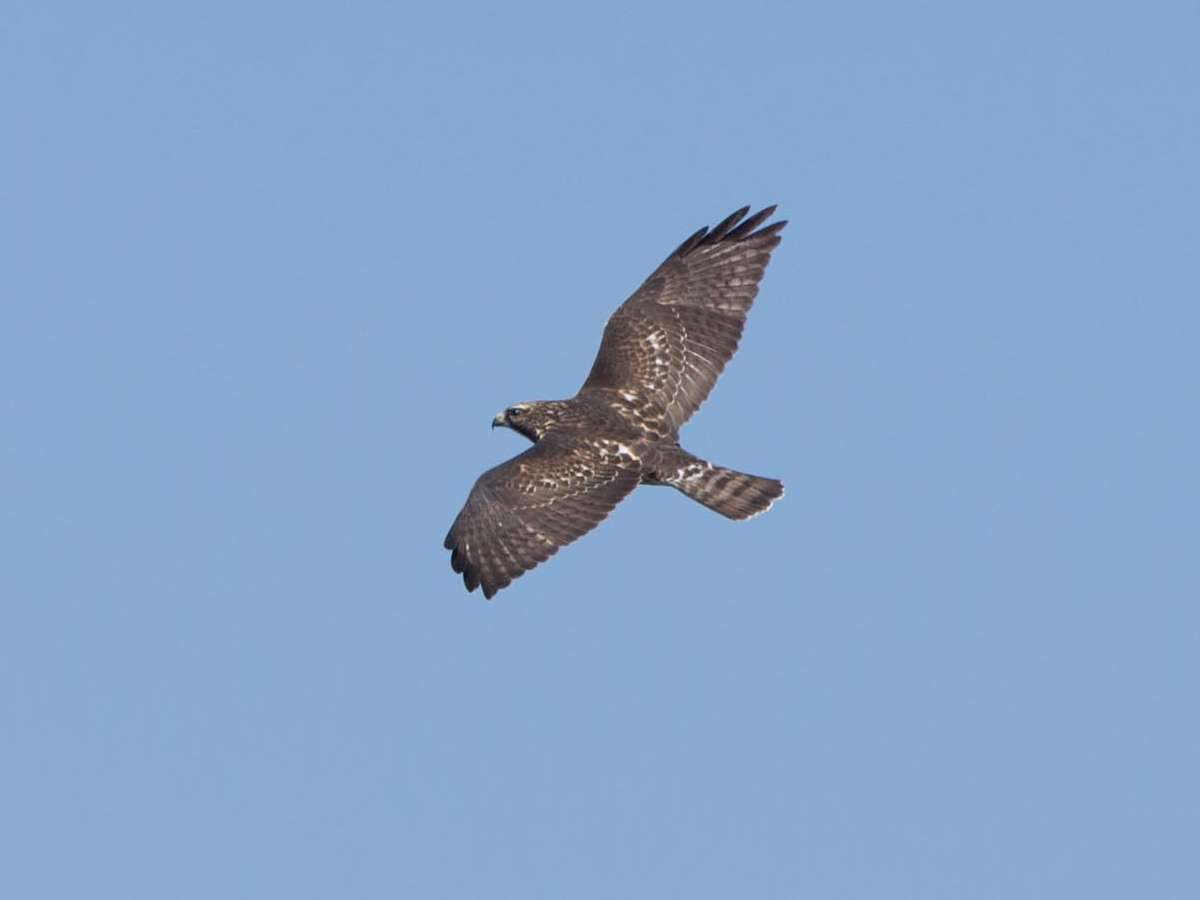
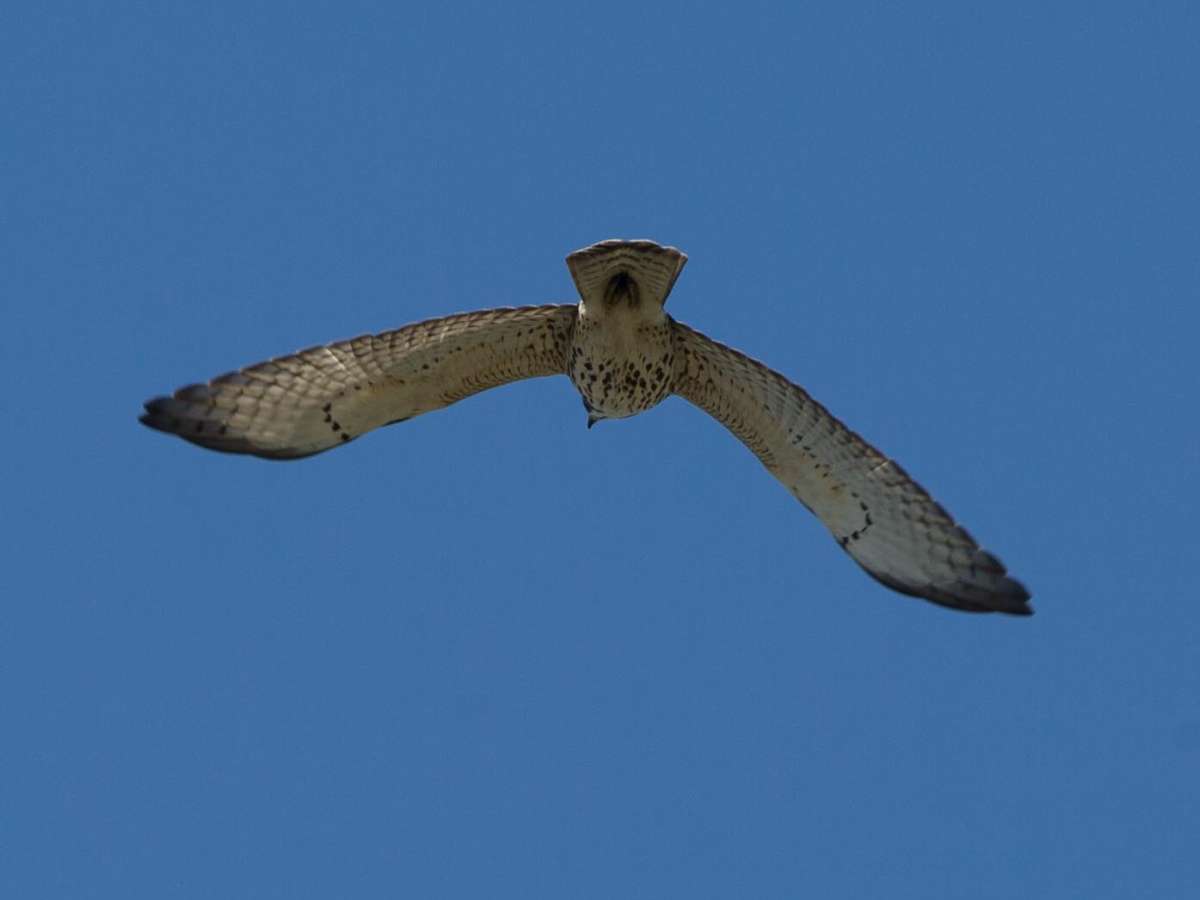
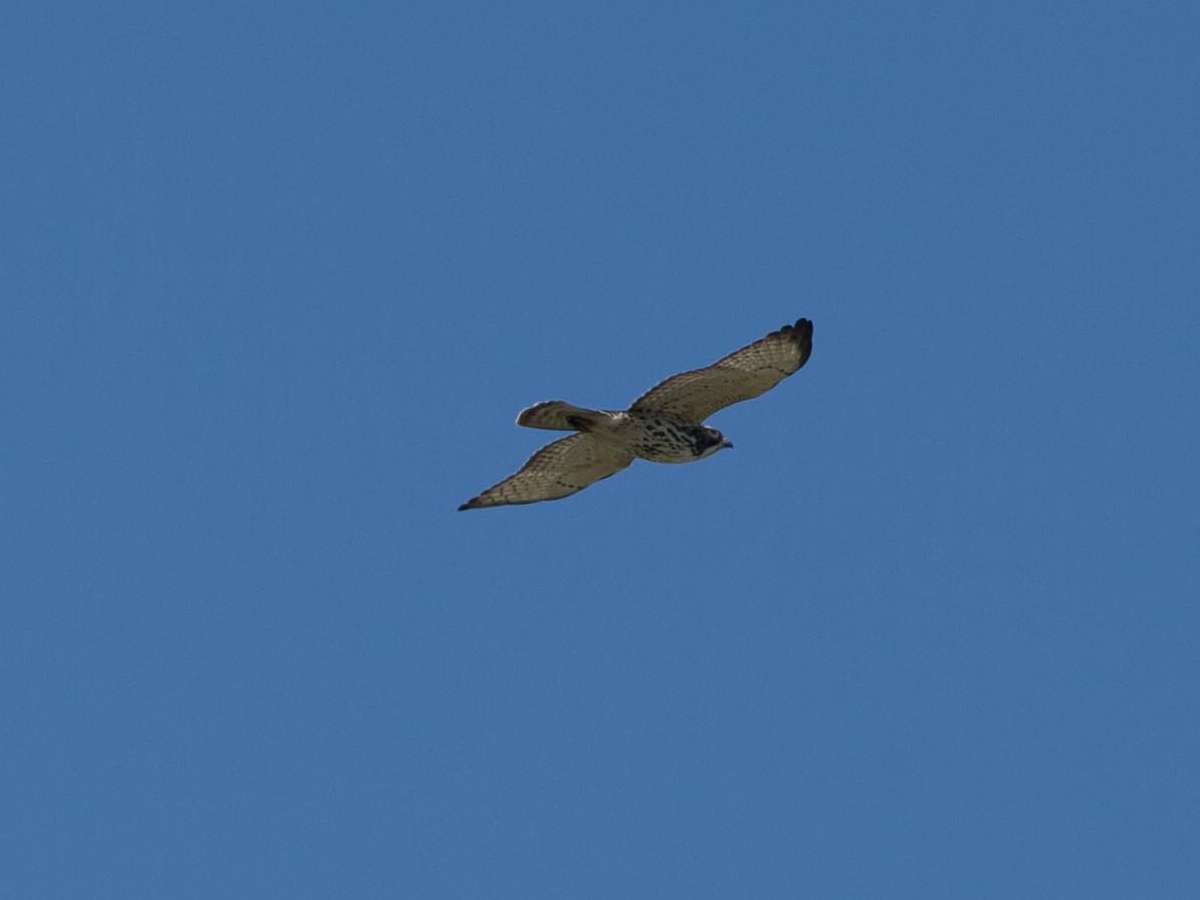
[All photographs copyright, Gary Nunn 2013] – I visited the Dairy Mart Ponds at lunch time today and ran into visiting birder Jennifer Larson from Sierra Vista, Arizona. Together we checked out the two viewpoints over the main pond although not finding many birds. While we were walking back to the parking area I spotted two medium sized hawks, beating along against the wind, coming straight towards us and at low height. My first impression, looking at the leading bird, was they might be Broad-winged Hawk Buteo platypterus. As they came by I managed to come to my senses and hoist the camera for some flight shots, just catching the second bird! I have been meaning to program a custom function button on my camera body to a setting where images are shot one-stop over-exposed – how I wish I had done that earlier now! The slightly under-exposed images show a well marked light colored first-cycle Broad-winged Hawk. The bird still retains all its very worn, tattered in places, juvenile flight feathers although perhaps molt has begun with one inner primary missing on the left wing. The first and second images below are identical but the second has brightness and contrast adjusted. The two birds appeared pretty much identical to me although I focused in on the second one as it lagged behind the leader.

Broad-winged Hawk first-cycle – Dairy Mart Ponds, Tijuana River Valley, San Diego 30 Apr 2013

Broad-winged Hawk first-cycle – Dairy Mart Ponds, Tijuana River Valley, San Diego 30 Apr 2013

Broad-winged Hawk first-cycle – Dairy Mart Ponds, Tijuana River Valley, San Diego 30 Apr 2013

Broad-winged Hawk first-cycle – Dairy Mart Ponds, Tijuana River Valley, San Diego 30 Apr 2013

Broad-winged Hawk first-cycle – Dairy Mart Ponds, Tijuana River Valley, San Diego 30 Apr 2013

Broad-winged Hawk first-cycle – Dairy Mart Ponds, Tijuana River Valley, San Diego 30 Apr 2013

Broad-winged Hawk first-cycle – Dairy Mart Ponds, Tijuana River Valley, San Diego 30 Apr 2013

Spring records of Broad-winged Hawk in San Diego County seem to be much rarer than fall records, although even the latter have fallen off in number in recent years based on the San Diego County Bird Atlas (Unitt, 2004). Only three spring records are documented in the bird atlas, all in April and with two late in the month, so this record would seem to fit quite well in this pattern of occurrence. San Diego Field Ornithologists considers this species to be a Category B rarity in the county.

Spring migrant Dusky Flycatcher – awash with yellow

[All photographs copyright, Gary Nunn 2013] – Hot on the tracks of yesterday’s Gray Flycatcher I was very happy today to find this colorful and very cooperative Dusky Flycatcher Empidonax oberholseri at Fort Rosecrans National Cemetery. Again, a first impression from the birds behavior to help identify it – this Dusky Flycatcher repeatedly raised its tail upwards, with perhaps just a small dip too after each raise. Unlike the Gray Flycatcher, which seemed happy hunting insects from a perch a few feet from the ground, this bird preferred a perch 10 or 20 feet above the ground attacking fast flying prey items that passed beneath it. On occasion the bill snapping and loud crack of a caught beetle, being dispatched by whacking against a branch, gave away the birds close presence to me.

Care has to be taken separating Dusky Flycatcher from Hammond’s Flycatcher which is also present on migration here in San Diego at this “tween” date. Characteristic of Dusky, and unlike the grayer underparts of Hammond’s, this bird shows freshly molted body feathers with a bright colored light yellow wash throughout the underparts. Also, seen in the right light, other body plumage on this bird also appears quite brightly washed with green, unlike the more faded gray appearance of Hammond’s.

Dusky Flycatcher – Fort Rosecrans National Cemetery, Point Loma, San Diego 20 Apr 2013

There are a few more field characters identifying this bird as a Dusky Flycatcher and not a Hammond’s Flycatcher – the short primary extension of the wing, stronger and wider based bill, and, most importantly, the pale whitish lores, which actually extend and meet on the fore-crown over the bill, forming whitish goggles when the bird looks straight at you. Other more subtle things to look for include the longer tail, a bit more rounded shape head (not as round as Gray Flycatcher), and the tail which is not as deeply notched at the end as Hammond’s Flycatcher. Take a look at my Hammond’s Flycatcher post below also for comparisons.

Dusky Flycatcher – Fort Rosecrans National Cemetery, Point Loma, San Diego 20 Apr 2013

Dusky Flycatcher – Fort Rosecrans National Cemetery, Point Loma, San Diego 20 Apr 2013

Dusky Flycatcher – Fort Rosecrans National Cemetery, Point Loma, San Diego 20 Apr 2013

Dusky Flycatcher – Fort Rosecrans National Cemetery, Point Loma, San Diego 20 Apr 2013

Dusky Flycatcher – Fort Rosecrans National Cemetery, Point Loma, San Diego 20 Apr 2013

Dusky Flycatcher – Fort Rosecrans National Cemetery, Point Loma, San Diego 20 Apr 2013

Dusky Flycatcher – Fort Rosecrans National Cemetery, Point Loma, San Diego 20 Apr 2013

Dusky Flycatcher – Fort Rosecrans National Cemetery, Point Loma, San Diego 20 Apr 2013

Dusky Flycatcher – Fort Rosecrans National Cemetery, Point Loma, San Diego 20 Apr 2013

Dusky Flycatcher – Fort Rosecrans National Cemetery, Point Loma, San Diego 20 Apr 2013

Dusky Flycatcher – Fort Rosecrans National Cemetery, Point Loma, San Diego 20 Apr 2013

Dusky Flycatcher – Fort Rosecrans National Cemetery, Point Loma, San Diego 20 Apr 2013

Based on the San Diego Bird Atlas (Unitt, 2004) the Dusky Flycatcher is a rare migrant in both fall and spring in San Diego County with just eight spring records from Point Loma. This record on 20 Apr would extend the migrant record dates, 21 April to 9 May, by a single day only. In addition the species is also a scarce breeder at high elevations in the mountains of east San Diego County and, surprisingly, has recently been found wintering on occasion in the county.

Tail dipping Gray Flycatcher – Point Loma

[All photographs copyright, Gary Nunn 2013] – I heard the “whit” sound as soon as I stepped out of my vehicle at Fort Rosecrans National Cemetery this morning. Sure enough one of my favorite flycatchers, a Gray Flycatcher Empidonax wrightii, was actively calling from low perches such as the grave markers and a temporary plastic fence. It slowly moved about the cemetery grounds swooping down and resting on the lawn for a few seconds each time it caught an insect. Apart from the physical characteristics, rounded head, large strong bicolored bill, and voice, a soft but quite loud “whit” call, the behavior of this bird immediately reveals its identity. Unique among the Empidonax species it repeatedly dips its tail in the downward direction only. Since the vast majority of birds that move their tails flick them upwards this behavior is easily noticed, and even appears a bit odd! The tail dipping is quite slow too, almost pendulum like. Like other individuals I have encountered in the past, this bird allowed close approach. I would say it is almost tame compared to its high energy congeners! The close looks allowed some nice opportunities for photographs.

Gray Flycatcher – Fort Rosecrans National Cemetery, Point Loma, San Diego 19 Apr 2013

Gray Flycatcher – Fort Rosecrans National Cemetery, Point Loma, San Diego 19 Apr 2013

Gray Flycatcher – Fort Rosecrans National Cemetery, Point Loma, San Diego 19 Apr 2013

Gray Flycatcher – Fort Rosecrans National Cemetery, Point Loma, San Diego 19 Apr 2013

Gray Flycatcher – Fort Rosecrans National Cemetery, Point Loma, San Diego 19 Apr 2013

Gray Flycatcher – Fort Rosecrans National Cemetery, Point Loma, San Diego 19 Apr 2013

Calliope capital – Point Loma

[All photographs copyright, Gary Nunn 2013] – Today the flower beds of “Pride of Madeira” Echium candicans at Fort Rosecrans National Cemetery were alive with hummingbirds. Numbers and diversity went up several notches in the last couple days. I found Anna’s, Costa’s, Black-chinned, and Rufous partaking of the purple boraginaceous flowers. There were probably some Allen’s mixed in there too. My clear favorites however were these Calliope Selasphorus calliope which dived in when the more aggressive species were off taking a break someplace. I photographed at least three different males and one or two females and suspect the true number I saw may even be higher.

Calliope – Fort Rosecrans National Cemetery, Point Loma, San Diego 17 Apr 2013

Calliope – Fort Rosecrans National Cemetery, Point Loma, San Diego 17 Apr 2013

Calliope – Fort Rosecrans National Cemetery, Point Loma, San Diego 17 Apr 2013

Calliope – Fort Rosecrans National Cemetery, Point Loma, San Diego 17 Apr 2013

Calliope – Fort Rosecrans National Cemetery, Point Loma, San Diego 17 Apr 2013

Female Calliope are certainly a bit tricky to pick out. Studying the structure and GISS (general impression of size and shape) of the males can be helpful to pick out a female. I think the real key is recognizing the tail size and shape, it looks like someone took a bite out of the middle, together with the impression of tail to body length ratio. They also hold the tail a little cocked some of the time appearing almost like a Christmas tree ornament hanging by a thread. The female photographed below rotated in flight around a flower head in front of me. It showed off the short squared-off tail which, apart from the bold white tips to the outer tail feathers, is mostly black looking. The shape of the central tail feathers (r1) is also diagnostic being wedge-shaped at the end. You might never see these features with the naked eye and binoculars but digital photography provides it!

Calliope – Fort Rosecrans National Cemetery, Point Loma, San Diego 17 Apr 2013

Calliope – Fort Rosecrans National Cemetery, Point Loma, San Diego 17 Apr 2013

Calliope – Fort Rosecrans National Cemetery, Point Loma, San Diego 17 Apr 2013

Calliope – Fort Rosecrans National Cemetery, Point Loma, San Diego 17 Apr 2013

Springtime crown color of Hammond’s Flycatcher?

[All photographs copyright, Gary Nunn 2013] – I have been looking out for migrant flycatchers lately and was pleased to find this characterful Hammond’s Flycatcher Empidonax hammondii frequenting the “wall” area on the east side of Fort Rosecrans National Cemetery. Based on the San Diego Bird Atlas (Unitt, 2004) the Hammond’s Flycatcher can be found on spring migration here generally a few weeks earlier than the similar looking Dusky Flycatcher – the first clue to its identity!

In addition to the date of observation, several important field characters of Hammond’s Flycatcher can be seen in the photographs below which separate it from the closely similar, and rarer, Dusky Flycatcher. The condition of the plumage is very worn, particularly the wing and tail feathers, and these look faded, almost brownish in fact. This worn condition is characteristic of Hammond’s Flycatcher in spring, and contrasts the relatively freshly molted plumage of Dusky Flycatcher at this time of year. In addition the primary projection extends a great length beyond the secondaries, characteristic of Hammond’s versus a short primary projection of Dusky. Finally the bill is narrow at the base and fine shaped, quite weak looking in fact, and dark blackish colored, characteristic of Hammond’s, and unlike Dusky which has a stronger looking, broader based, and usually bicolored bill.

Hammond’s Flycatcher – Fort Rosecrans National Cemetery, Point Loma, San Diego, 14 Apr 2013

Hammond’s Flycatcher – Fort Rosecrans National Cemetery, Point Loma, San Diego, 14 Apr 2013

Hammond’s Flycatcher – Fort Rosecrans National Cemetery, Point Loma, San Diego, 14 Apr 2013

Hammond’s Flycatcher – Fort Rosecrans National Cemetery, Point Loma, San Diego, 14 Apr 2013

I was lucky enough to obtain more photographs of this Hammond’s Flycatcher from different angles under cloudy late afternoon lighting. In fact it was raining lightly some of the time. This flat lighting helps illustrate some other important field characters. The overall grey coloration of the face and plain grey lores, giving it an “emotionless” staring appearance, also separates it from Dusky Flycatcher, which has pale-colored lores and a more aggressive appearance. The underparts are also a cool grey color throughout with perhaps only a hint of yellowish wash at the rear, unlike Dusky which is more yellowish in spring. Also important is the grey throat color, again unlike other species with throats that appear whiter. Really, only the back of this bird has a different color – a green tone – being olive in coloration. And there is, urm, maybe the hint of something in the crown color…

Hammond’s Flycatcher – Fort Rosecrans National Cemetery, Point Loma, San Diego, 14 Apr 2013

Hammond’s Flycatcher – Fort Rosecrans National Cemetery, Point Loma, San Diego, 14 Apr 2013

Hammond’s Flycatcher – Fort Rosecrans National Cemetery, Point Loma, San Diego, 14 Apr 2013

Hammond’s Flycatcher – Fort Rosecrans National Cemetery, Point Loma, San Diego, 14 Apr 2013

Hammond’s Flycatcher is about the second most likely Empidonax to be encountered in San Diego County, after Pacific-slope Flycatcher. I would say around 95%, or more, of Empidonax flycatchers that I find here on the coast are the latter species. There is always something new to learn or questions to be asked about this difficult to identify genus! Which in fact brings me to my question – maybe it is an artifact of lighting or the feathers are wet, or I am losing my marbles – does the bird shown here have dark reddish coloration in the crown feathers?

Hammond’s Flycatcher – Fort Rosecrans National Cemetery, Point Loma, San Diego, 14 Apr 2013

Bright contrast plumage – Red-necked Phalaropes

[All photographs copyright, Gary Nunn 2013] – Today the winds picked up around San Diego and I made a quick visit to Point La Jolla to see what seabirds might be blown onshore. The main spectacle was the incredible number of Red-necked Phalarope Phalaropus lobatus flying strongly south. These phalaropes appeared to be on the move and had traveled deep into the cove. In order to exit south many skimmed above the breaking surf passing close around the point. Flocks a hundred or more strong followed one after the other. Streams of phalaropes further out kept coming too. I probably saw 2000 Red-necked Phalarope easily in 30 minutes! I am usually frustrated by the Canon 7D’s autofocus behavior, which pulls focus on contrast edges, it always locks on to distant ocean waves! But the crisp fresh plumaged phalaropes, flying over the breaking whitewater surf, provided a contrast edge the 7D could identify and focus on.

Red-necked Phalaropes – Point La Jolla, 08 April 2013

Red-necked Phalaropes – Point La Jolla, 08 April 2013

Red-necked Phalaropes – Point La Jolla, 08 April 2013

Red-necked Phalaropes – Point La Jolla, 08 April 2013

Red-necked Phalaropes – Point La Jolla, 08 April 2013

Red-necked Phalarope – Point La Jolla, 08 April 2013